Everyone feels sad sometimes. Sadness is a natural, healthy response to difficulty, loss, disappointment, and change. It passes. It's connected to something specific. It usually softens with time, connection, and rest.
Depression is different. And knowing the difference matters because one responds to comfort, and the other typically requires more structured support.
Sadness is usually:
Depression is more pervasive. It tends to be:
One of the hallmarks of depression that people find most confusing: it can make you feel nothing. Not sad, exactly just flat. Empty. Like the color has been drained from everything, including things you used to enjoy.
If you're experiencing thoughts of suicide or self-harm, please reach out for immediate support call or text 988, or contact your nearest emergency services.
One of the reasons people wait so long to seek help for depression is the internalized message that they "should" be able to snap out of it. That they're weak for struggling. That other people have it worse.
Depression isn't a character flaw. It's not a choice. It's a medical condition that affects the brain and body and it responds well to treatment.
Depression is one of the most treatable mental health conditions. Most people see significant improvement through therapy, sometimes in combination with medication (which a psychiatrist or your primary care physician can discuss with you).
In therapy, I use evidence-based approaches like CBT (Cognitive Behavioral Therapy) to help identify and shift thought patterns that keep depression entrenched, as well as behavioral activation the practice of gradually re-engaging with meaningful activities even when motivation is low.
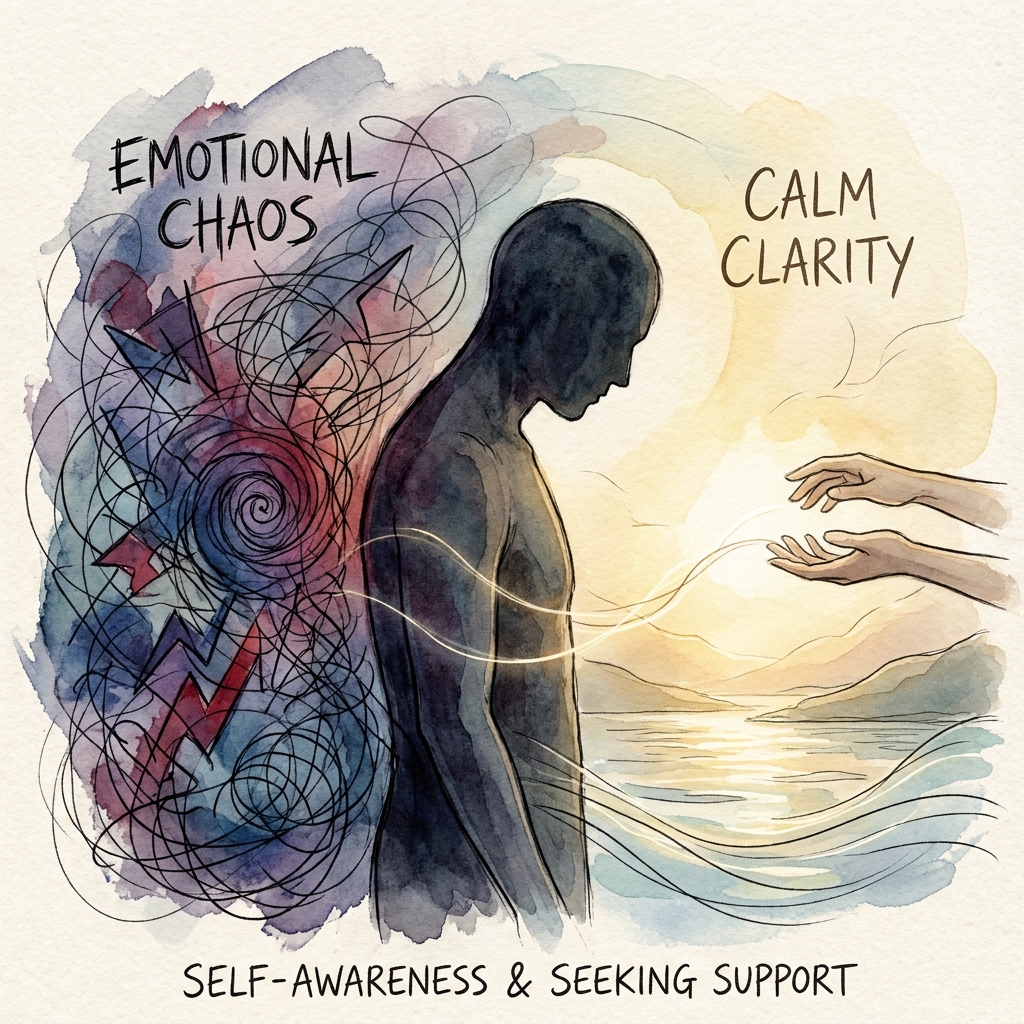
You don't have to feel like yourself to start. Starting is often what begins to bring you back.
If what you're experiencing sounds more like depression than sadness, please reach out. A free consultation is a low-pressure way to begin the conversation.