
If you've ever felt like your emotions go from zero to one hundred faster than you can process them or if you've been told you're "too sensitive" your whole life you may be someone who would benefit enormously from DBT.
Dialectical Behavior Therapy (DBT) was developed in the late 1980s by psychologist Marsha Linehan, originally for people experiencing intense emotional swings and self-harm urges. Today, it's one of the most widely used and well-researched therapeutic approaches available and it's effective for a much broader range of experiences than it was originally designed for.
The word "dialectical" refers to the balance of opposites and specifically, to the core DBT idea that two things that seem contradictory can both be true at once.
The foundational dialectic in DBT is: You are doing the best you can and you can do better.
This isn't a contradiction. It's a compassionate acknowledgment that your coping strategies made sense given what you've been through, while also holding space for growth and change. It's one of the most freeing frameworks I've encountered in therapeutic work.
DBT is organized around four areas of skill-building:
1. Mindfulness: The foundation of everything else in DBT. Mindfulness in DBT means learning to observe your thoughts and emotions without immediately acting on them. It's the pause between the feeling and the reaction and that pause can change everything.
2. Distress Tolerance:Life will always bring moments of acute pain that you cannot immediately solve. Distress tolerance skills help you survive those moments without making them worse. Techniques include grounding, self-soothing through the senses, and the TIPP skill (Temperature, Intense exercise, Paced breathing, Progressive relaxation).
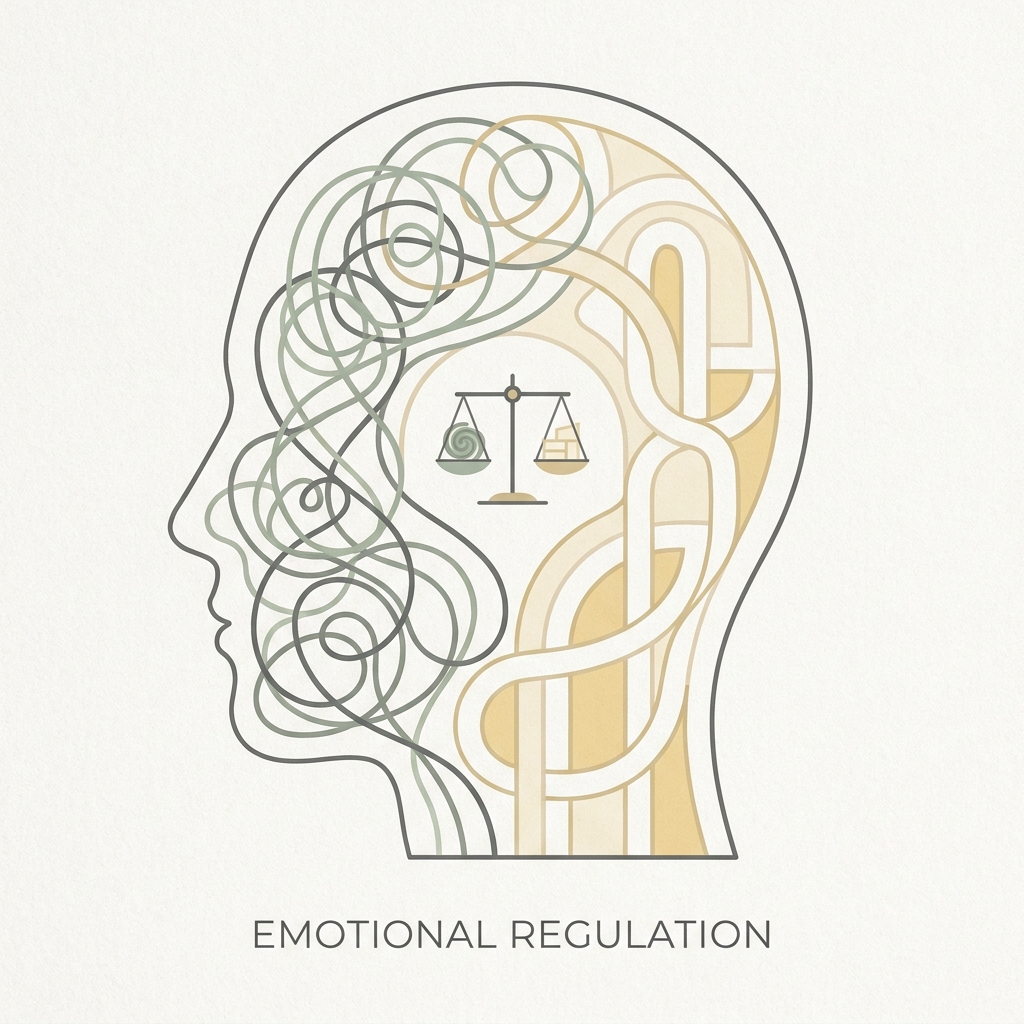
3. Emotional Regulation :his is about understanding your emotions where they come from, what function they serve, and how to modulate their intensity. You'll learn to identify emotions clearly, reduce vulnerability to emotional overwhelm, and increase positive emotional experiences.
4. Interpersonal Effectiveness : These skills help you maintain relationships and your own self-respect while navigating conflict, setting limits, and asking for what you need — all at the same time.
While DBT was developed for borderline personality disorder, it's now widely used for:
In my practice, I use DBT skills as part of an integrated approach meaning we use the tools that make the most sense for you, in the context of a warm, collaborative therapeutic relationship. I'll teach you skills, practice them with you, and help you apply them to your actual life.
If you've ever felt like your emotions are louder than you'd like them to be, or if you're tired of reacting in ways that don't reflect who you want to be DBT might be exactly what you've been looking for.